







What Are Formal Wedding Invitations?
Formal wedding invitations are more traditional in style and language, often used for black-tie or highly elegant weddings. These invitations follow established etiquette, using precise wording and layouts that reflect the grandeur of the occasion. If your wedding will feature classic elements like a sit-down dinner, luxurious décor, and formal attire, a formal wedding invitation is the ideal choice. 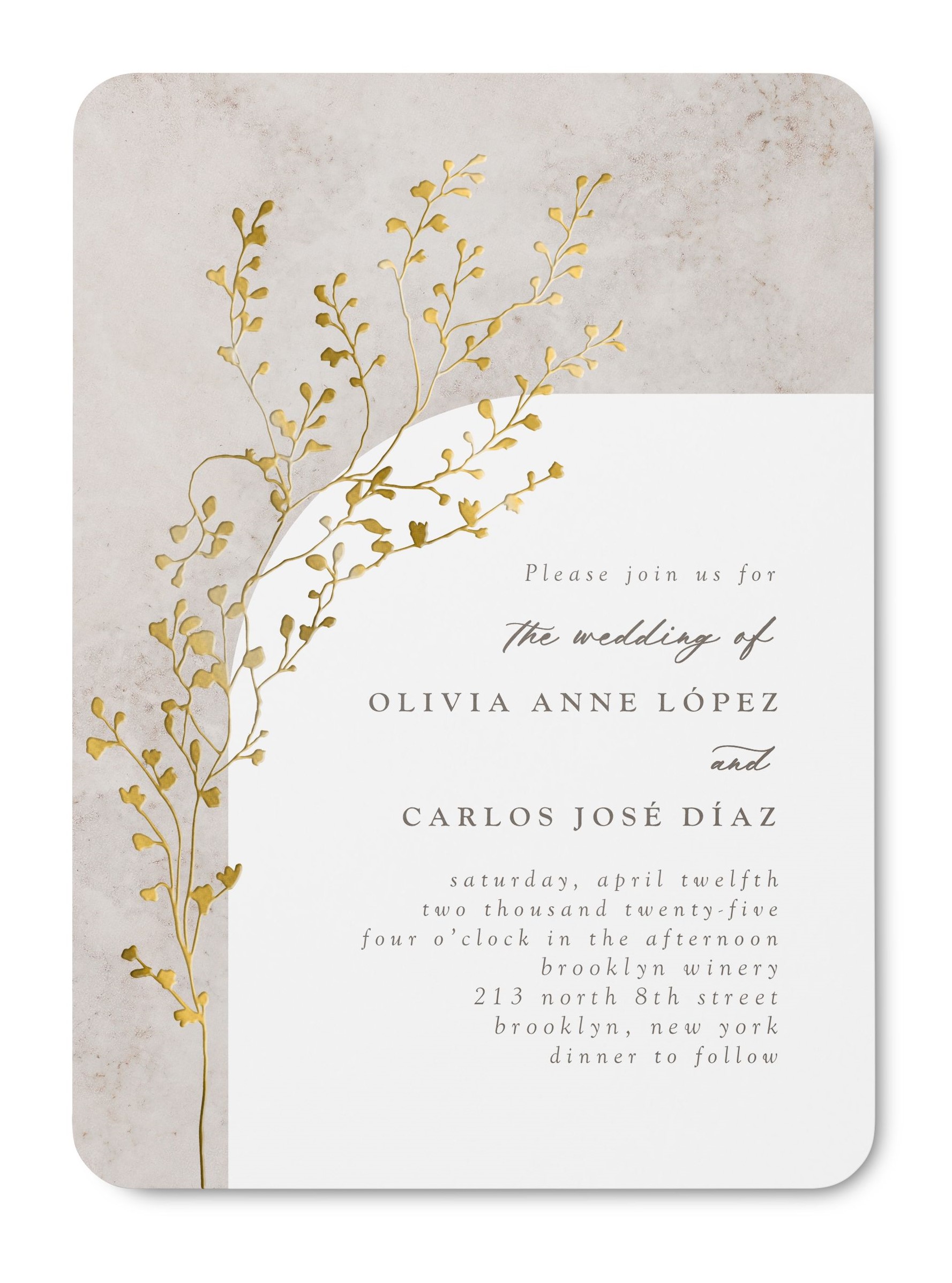
Formal Wedding Invitation Wording
The wording of formal wedding invitations follows specific traditions and is often more elaborate than casual invites. Below are key components and examples to help you create a polished, elegant message.
1. Hosting Line
The host line identifies who is hosting (or paying for) the wedding. In traditional formal invitations, it’s often the bride’s parents. However, modern couples sometimes include both sets of parents or even host the wedding themselves. Here are a few examples:
- “Mr. and Mrs. John Smith request the honor of your presence at the marriage of their daughter…”
- “Together with their families, Emma Rose Johnson and William James Brown invite you to celebrate their marriage…”
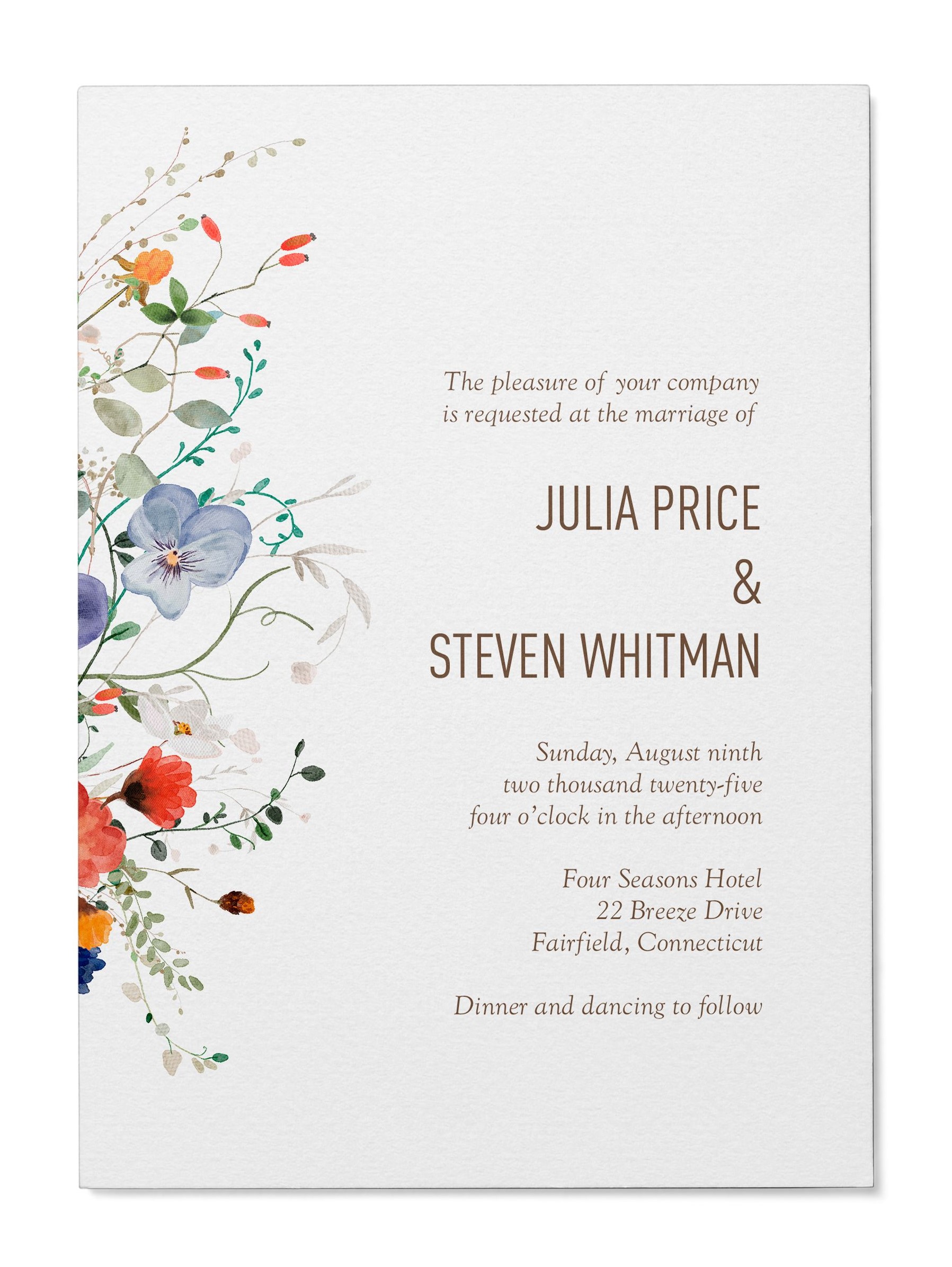
- “The pleasure of your company is requested at the wedding of…”
2. Request Line
For a formal wedding, the phrase “request the honor of your presence” is typically used for ceremonies held in a place of worship. For non-religious venues, you can substitute with “the pleasure of your company.”
3. Names of the Couple
Traditionally, the bride’s name comes before the groom’s. Use full names, including middle names, if preferred. Here’s an example:
- “Emma Rose Johnson to William James Brown”
4. Date and Time
Spell out the date and time in full, without abbreviations. For example:
- “Saturday, the tenth of August, two thousand and twenty-five, at half past four o’clock in the afternoon.”
5. Location
Include the full name of the ceremony location, followed by the city and state (no zip code). For example:
- “The Chapel at Gardenview Estate, New York, New York”
6. Reception Information
If the reception is at a separate location, provide this information either on the main invitation or an additional reception card. Formal wording examples include:
- “Reception to follow at The Ballroom, Grand Hotel, New York, New York.”
7. Dress Code
For formal weddings, including the dress code is essential. Some examples:
- “Black Tie Attire”
- “Formal Attire”
Design Tips for Formal Wedding Invitation Templates
In addition to the wording, the design of your formal wedding invitations plays a significant role in setting the tone. Here are a few design elements to consider:
1. Choose Classic Paper Types
Shutterfly offers a variety of premium paper options perfect for formal invitations. Opt for Signature Smooth for a clean, polished look, or go with Pearl Shimmer for a touch of sparkle. If you prefer a textured finish, Luxe Double-Thick adds sophistication with its durability and rich feel.
2. Elegant Color Schemes
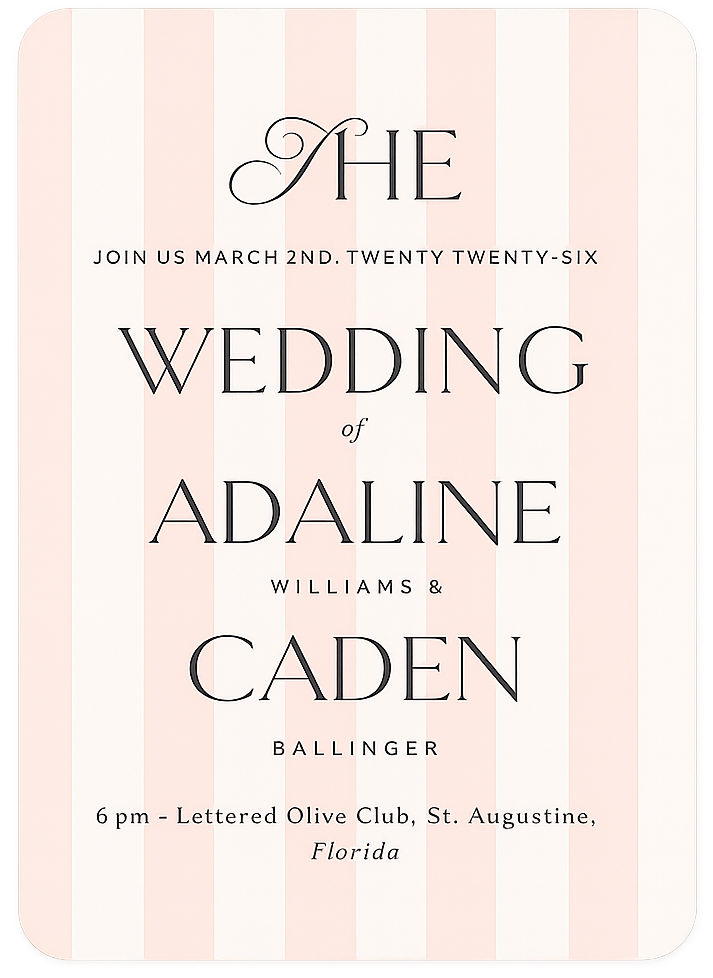
Stick with traditional colors like ivory, white, cream, or soft pastels for a formal aesthetic. For a more modern twist, you can incorporate gold or silver foil details that add a touch of glamour.
3. Timeless Typography
Choose fonts that are simple yet elegant, like classic serif or script fonts. Avoid anything overly casual or playful. Pairing a script font with a clean serif can give your invitation a balanced, sophisticated look.
4. Thoughtful Envelope Choices
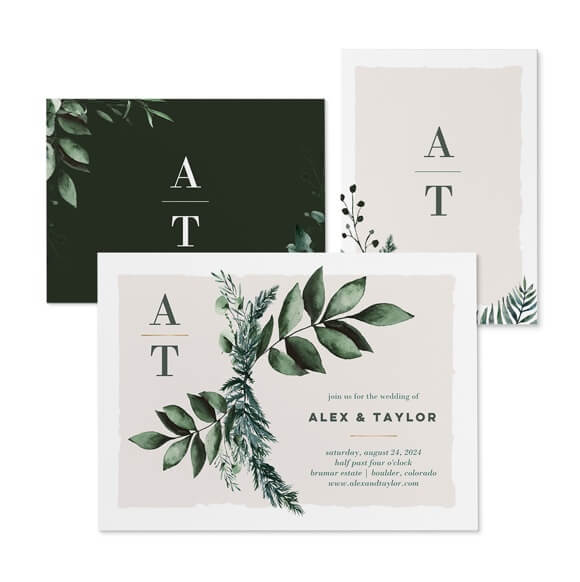
Your envelopes should match the formality of your invitation. Choose a coordinating color and make sure it’s addressed properly with calligraphy or an elegant font. Personalizing your envelopes with return addresses or monograms can also add a special touch. 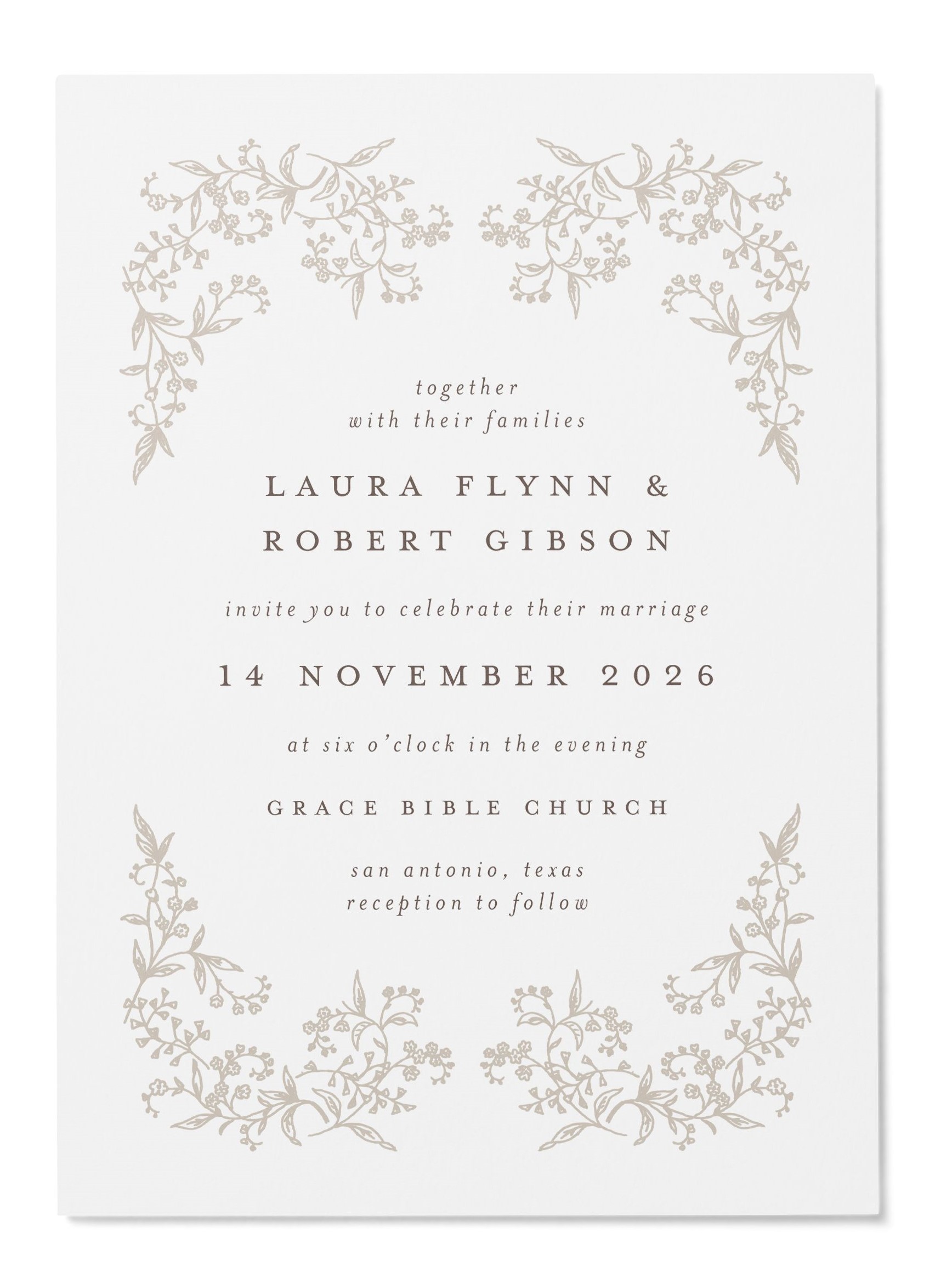
Additional Details for Formal Wedding Invitations
Formal wedding invitations often include more elements than casual invitations. Here’s what to include in your invitation suite:
- RSVP Cards: Traditionally included in formal invitations, RSVP cards allow guests to confirm their attendance. You can customize them with a return envelope or offer a modern twist by adding an option for guests to RSVP online.
- Enclosure Cards: Instead of squeezing all the information onto your invitation, use enclosure cards to convey important details such as the location, timing, and any specific instructions for the event.
- Envelope Liners: For a touch of elegance, envelope liners are a beautiful way to add a pop of color or pattern when guests open the invitation. Customizing liners with your wedding colors or monogram can create a more polished, formal presentation.
Including these thoughtful details in your formal wedding invitation suite ensures that your guests have all the necessary information while complementing the elegance of your celebration.
Timing and Etiquette for Sending Formal Wedding Invitations
To ensure that your guests have plenty of time to plan and respond, formal wedding invitations should be mailed well in advance. Here’s a timeline to follow:
- Save the Dates: Send out save the dates six to eight months before the wedding.
- Invitations: Formal wedding invitations should be mailed eight to twelve weeks before the wedding day.
- RSVP Deadline: Set the RSVP deadline for three to four weeks before the wedding. This gives you ample time to finalize your guest list, seating arrangements, and catering.
Formal Wedding Invitations: Setting the Tone for Your Big Day
Formal wedding invitations are a beautiful way to set the stage for your big day. By following traditional wording etiquette, using classic design elements, and paying attention to details, you’ll create an elegant and timeless invitation that guests will treasure. Whether you’re hosting a black-tie affair or a traditional ceremony, formal invitations help ensure that your wedding day is memorable from start to finish.
For more inspiration and to create your own personalized formal wedding invitations, explore Shutterfly’s range of custom wedding stationery designed to reflect the beauty and elegance of your celebration.
Additional Resources:
