





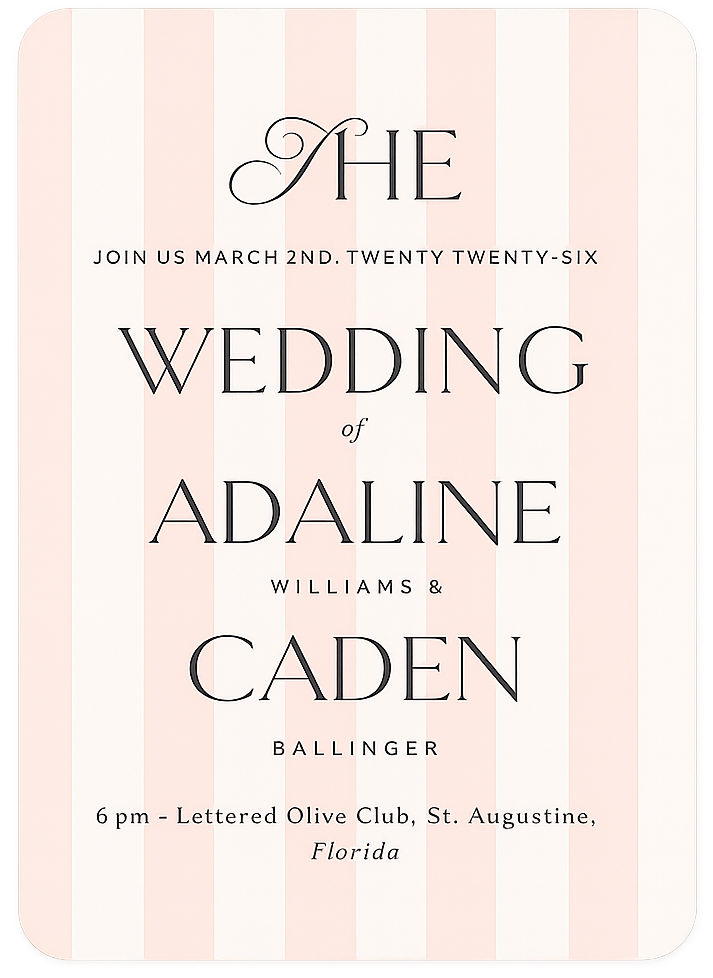




Wedding invitation etiquette can feel overwhelming—especially when advice is scattered across dozens of articles, family opinions, and outdated “rules.” Who gets listed as host? When exactly should invitations go out? How should guests be addressed? And what’s polite versus just plain old tradition?
This guide brings everything together in one place. Consider it your modern, no-judgment roadmap to wedding invitation etiquette—covering wording, timing, addressing, enclosures, formality levels, and all the gray areas couples stress about most. We’ll explain the rules, when they matter, and when it’s perfectly okay to break them.
Whether you’re planning a black-tie ballroom affair or a laid-back celebration with a modern twist, this guide will help you feel confident about every invitation decision you make.
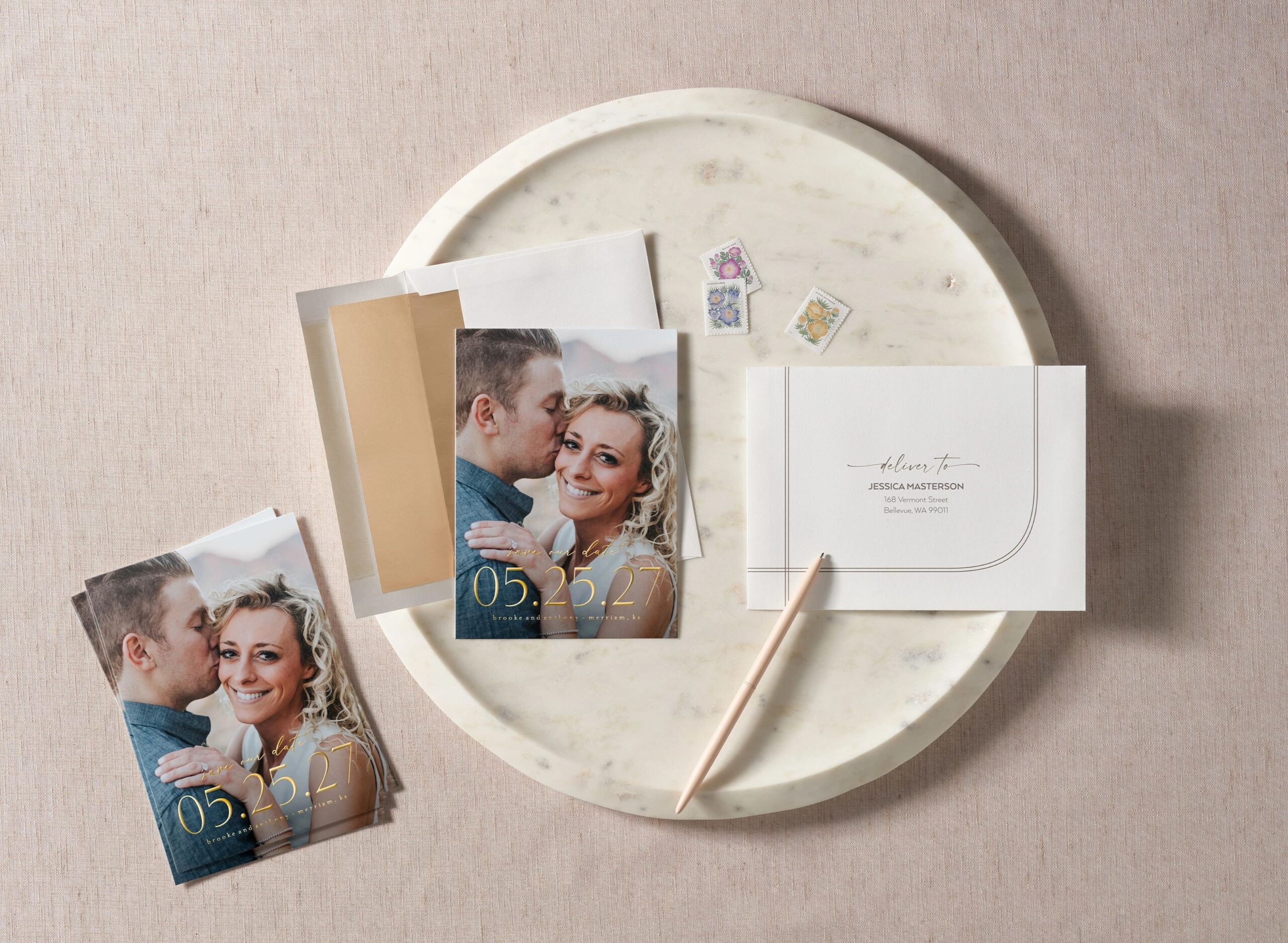
What Is Wedding Invitation Etiquette (and Does It Still Matter)?
Wedding invitation etiquette is simply a framework for communicating key details clearly and respectfully. At its best, it helps guests understand who’s hosting, what to expect, when to arrive, and how to celebrate with you.
Modern etiquette is far more flexible than it used to be. Today, the “rules” exist to:
- Avoid confusion
- Set expectations around formality
- Help guests feel comfortable and welcomed
If something feels outdated or doesn’t reflect your relationship, you’re allowed to adapt it. Etiquette should support your wedding—not control it.
When Should You Send Wedding Invitations?
Timing is one of the most important (and most searched) etiquette questions.
Standard etiquette guidelines:
- Save the dates: 6–8 months before the wedding (9–12 months for destination weddings)
- Wedding invitations: 6–8 weeks before the wedding
- RSVP deadline: 2–3 weeks before the wedding date
Sending invitations too early increases the risk of forgotten RSVPs. Sending them too late can create stress for guests making travel plans. If your wedding is during a holiday weekend or requires travel, err on the earlier side.
Guide: When to Send Wedding Invitations →
Who Is Listed as the Host on a Wedding Invitation?
Traditionally, the host is whoever is paying for the wedding—but modern weddings allow for much more flexibility.
Common hosting scenarios include:
- One set of parents hosting
- Both parents hosting together
- The couple hosting themselves
- Families and the couple hosting jointly
There’s no requirement to list financial contributions publicly. Many couples choose wording that feels inclusive and respectful, regardless of who is paying.
How Formal Should Your Wedding Invitation Be?
Your invitation sets the tone for the entire event. Guests often decide what to wear and what to expect based solely on your wording and design.
Formal weddings typically include:
- Full names (no nicknames)
- No abbreviations
- Traditional wording structure
Semi-formal or casual weddings often include:
- First names
- More conversational language
- Modern layouts or playful typography
The key rule: your invitation’s tone should match your actual wedding. A formal invitation to a backyard brunch can confuse guests just as much as a casual invite to a black-tie event.
Guide: Formal Wedding Invitation Wording & Tips →
What Information Must Be Included on a Wedding Invitation?
At minimum, your wedding invitation should clearly communicate:
- Who is getting married
- Who is hosting
- The date
- The time
- The location (venue name and city/state)
Everything else—like dress code, reception details, or your wedding website—can be included thoughtfully through additional cards or inserts.
Guide: Wedding Invitation Wording & Examples →
Wedding Invitation Wording Etiquette Explained
Wedding invitation wording etiquette is about the language used on the invitation itself—how names, details, and information are presented to guests. The goal is clarity and consistency, not rigid rules or overly formal phrasing.
A few modern etiquette guidelines:
- It’s okay to include both partners’ names regardless of gender
- Middle names are optional
- Titles (Mr., Ms., Dr.) are polite but not mandatory
- You can absolutely include a wedding website
What matters most is that guests clearly understand who is getting married and where to show up.
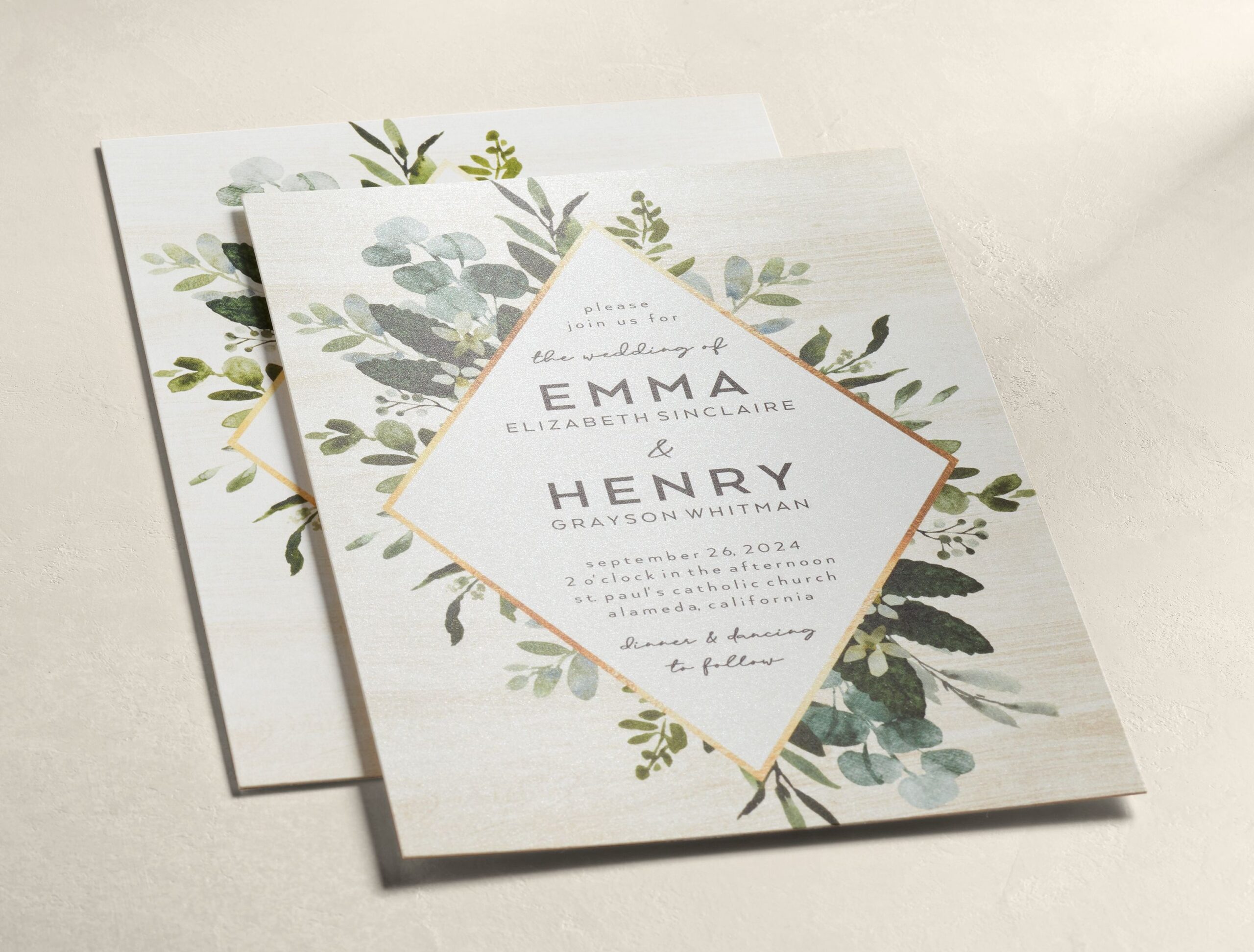
Addressing Wedding Invitations Properly
Addressing is one area where etiquette still matters—mainly because it affects how guests feel acknowledged and welcomed.
Best practices include:
- Use full names when possible
- List couples on one line if they share a last name
- Address unmarried couples on separate lines
- Include titles like Mr., Ms., or Dr. if you know them
Clear, thoughtful addressing helps guests immediately understand who is invited and sets the tone for your celebration from the moment the envelope is opened.
Guide: How to Address Wedding Invitations + Examples →
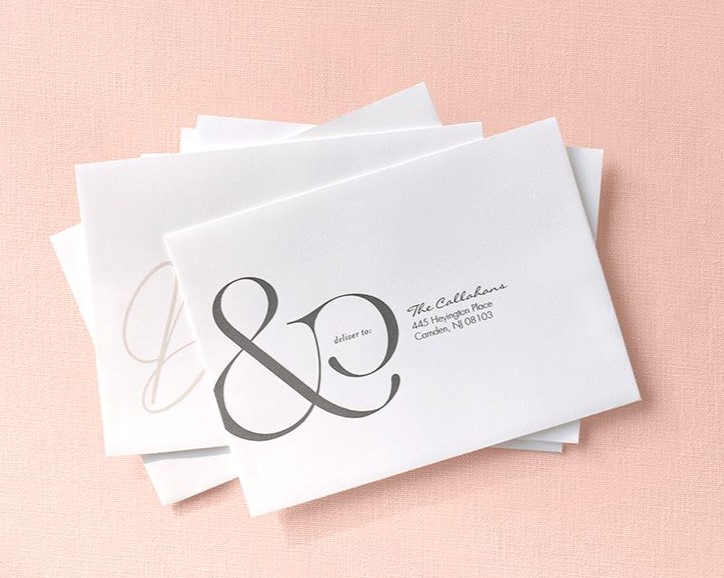
Plus-Ones and Guest Names: What’s Polite?
If a guest is allowed to bring a plus-one, etiquette says it should be made clear on the envelope—not left to interpretation.
If space or budget doesn’t allow for open-ended plus-ones, that’s okay. Clarity is kinder than ambiguity. Guests appreciate knowing exactly who is invited so they can plan accordingly.
RSVP Etiquette: Cards, Deadlines, and Digital Responses
Traditional RSVP etiquette includes:
- A pre-addressed, stamped RSVP card
- A clear deadline
- Thoughtful but concise response wording
Modern couples often allow guests to RSVP online, which is completely acceptable. If you go digital, make sure the process is simple and clearly explained on your invitation or details card.
Wedding Invitation Suites: What to Include (and What Not to)
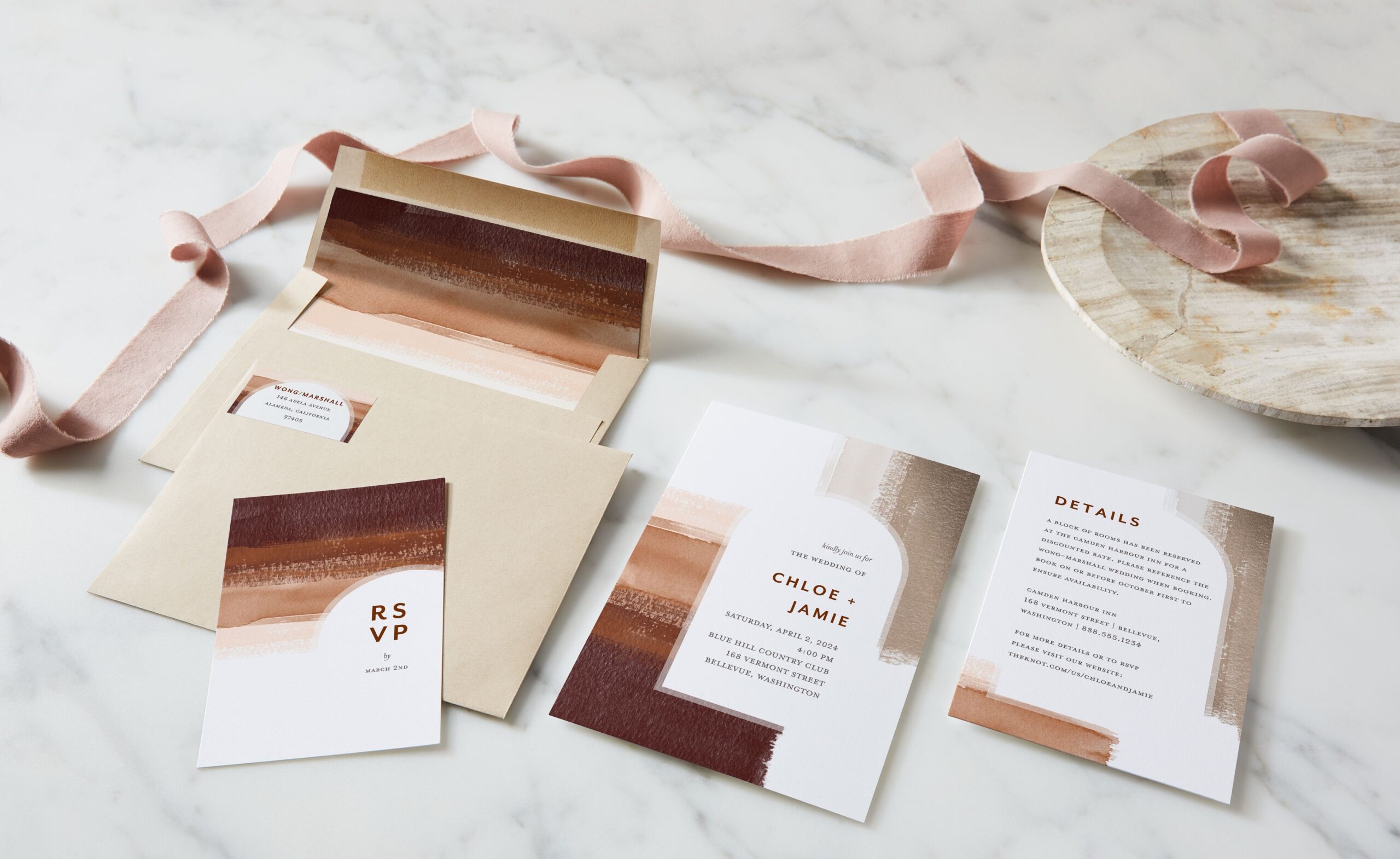
A traditional wedding invitation suite may include:
- Invitation card
- RSVP card
- Details card (for accommodations, transportation, or website info)
- Reception card (if the reception is at a different location)
Avoid overcrowding your main invitation. Extra information belongs on enclosure cards or your wedding website.
Dress Code Etiquette
If your dress code isn’t obvious, etiquette says you should clarify it.
Instead of adding it to the invitation itself, many couples include dress code details on:
- A details card
- Their wedding website
Clear guidance helps guests feel comfortable and prepared.
Common Wedding Invitation Etiquette Questions
Do children need to be listed by name?
Yes, if they’re invited.
Is it rude to include registry information?
Directly on the invitation, yes. On your wedding website, no.
Can invitations be emailed?
Yes—especially for casual, small, or last-minute weddings.
Do you need thank-you notes for gifts sent before the wedding?
Yes. Prompt acknowledgment is still considered good etiquette.
Mistakes to Avoid with Wedding Invitations
- Sending invitations too early or too late
- Forgetting RSVP deadlines
- Being vague about plus-ones
- Overloading the invitation with too much information
Most etiquette “mistakes” come down to unclear communication—not bad intentions.
Guide: 12 Wedding Invitation Mistakes to Avoid →
Final Thoughts: Modern Wedding Invitation Etiquette Is About Thoughtfulness
At the end of the day, wedding invitation etiquette isn’t about perfection—it’s about making guests feel welcomed, informed, and excited to celebrate with you.
Traditions can guide you, but they don’t have to define you. Choose wording, timing, and design choices that reflect your relationship and your celebration. When in doubt, clarity and kindness will always be in style.
If you want invitations that balance etiquette with personality, customization makes it easy to follow tradition—or thoughtfully rewrite it—your way.
