



Wedding signage does more than decorate your space. It guides your guests, answers questions before they’re asked, and keeps the day moving without confusion. The right mix of signs makes everything feel thoughtful, organized, and easy to navigate from the moment guests arrive through the last song of the night.
If you’re wondering what wedding signs you actually need, this guide walks through every option so you can decide what’s essential, what’s optional, and what fits your day best.
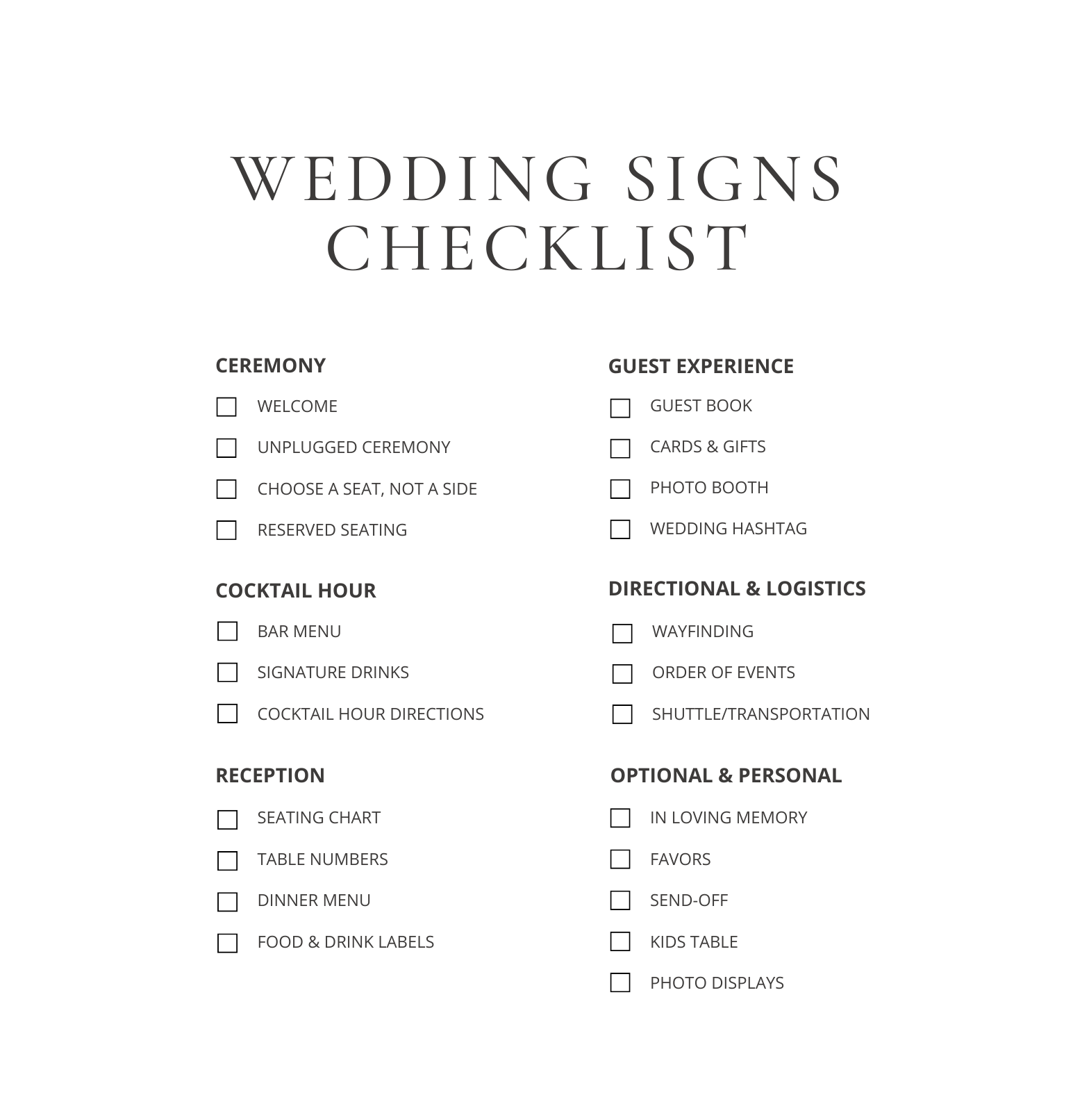
Quick Wedding Signage Checklist
Start with these core wedding signs, then add in extras based on your venue, guest count, and how your day is structured:
- Welcome sign
- Ceremony signs (unplugged, seating, programs)
- Seating chart or escort display
- Table numbers or table names
- Bar and menu signs
- Guest book and cards and gifts signs
- Directional signage
- Optional personal or decorative signs
Ceremony Wedding Signs
Ceremony signage sets the tone and helps guests settle in without needing instructions from your coordinator or family.
Welcome Sign
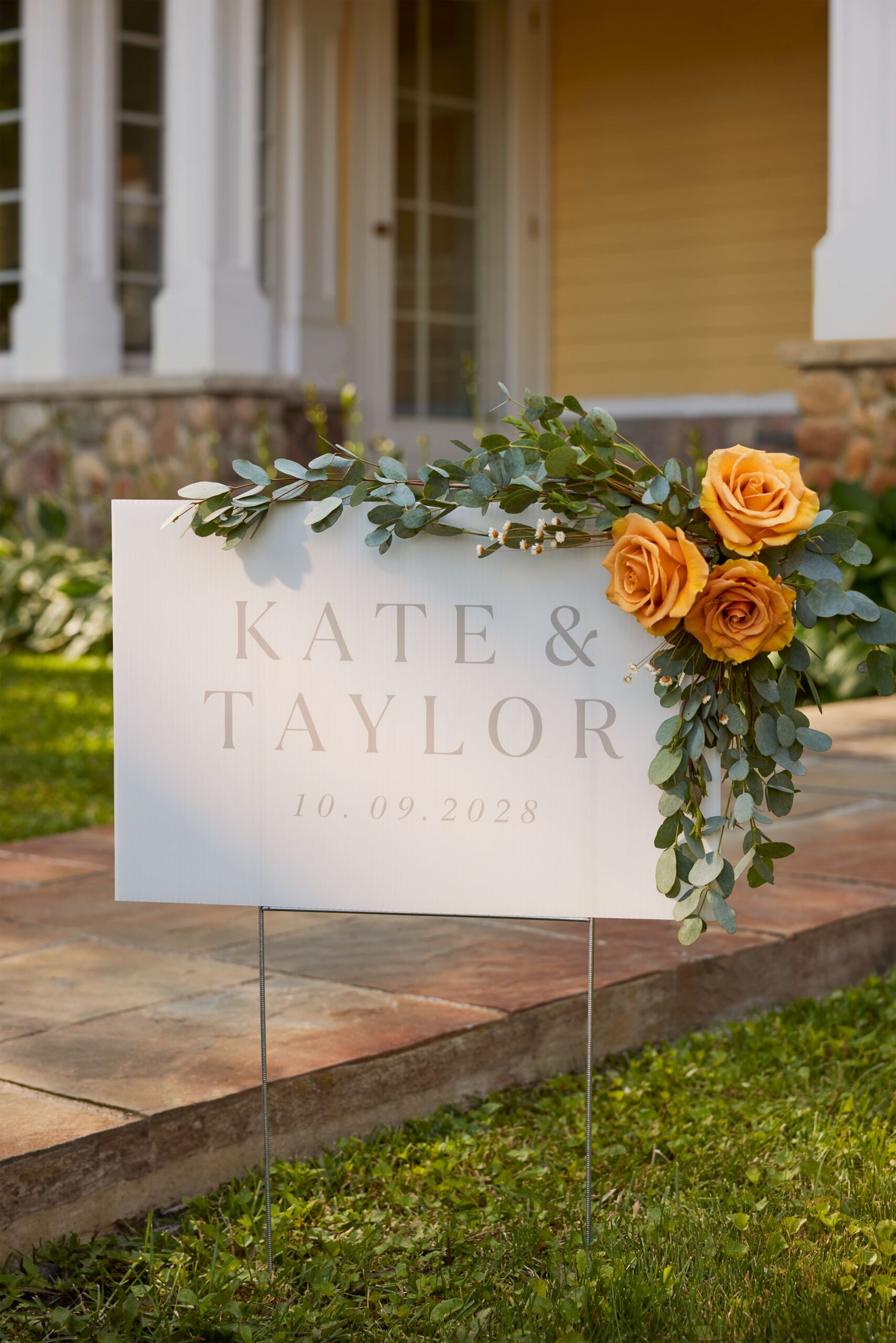
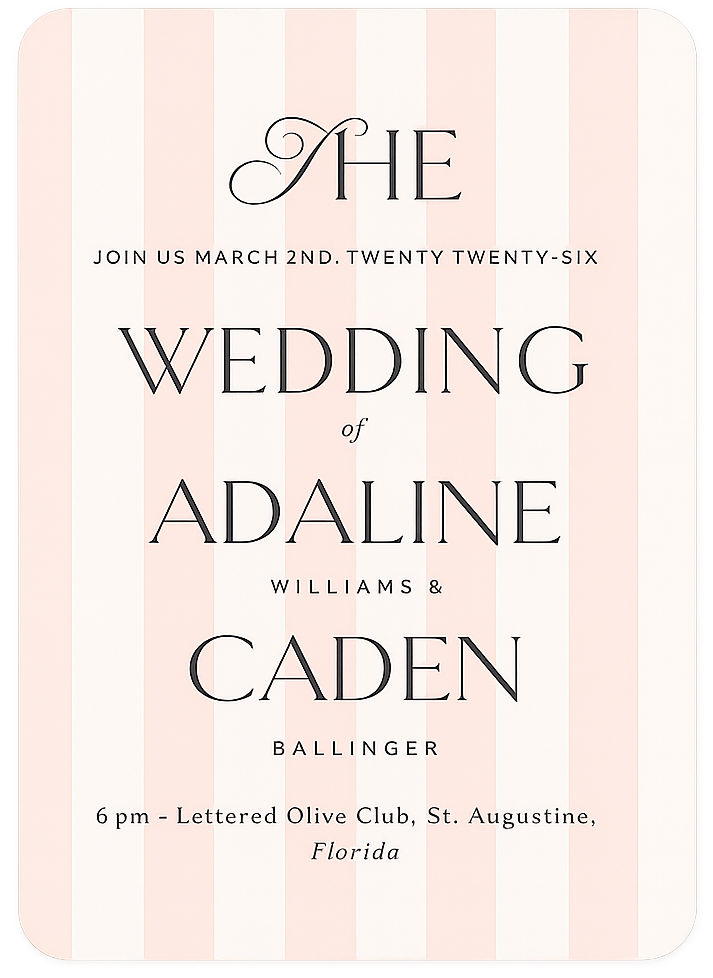
Your welcome sign is the first touchpoint for guests as they arrive and confirms they’re in the right place. It sets the tone for your wedding style and gives a quick introduction with your names and date. Place it at the main entrance where guests naturally gather before the ceremony.
Unplugged Ceremony Sign (Optional)
An unplugged ceremony sign lets guests know to put their phones away before the ceremony begins. This helps keep the focus on the moment and avoids a sea of screens in your photos. It works best when placed right at the ceremony entrance so guests see it before being seated.
“Choose a Seat, Not a Side” Sign (Optional)
This sign encourages guests to sit wherever they’d like, which creates a more relaxed and inclusive atmosphere. It’s especially useful for smaller or less traditional ceremonies where assigned sides are not needed. Place it near the seating area so guests see it as they arrive.
Ceremony Program Sign (Optional)
Skipping printed programs does not mean guests should be left guessing. A single display with the order of events gives enough context for guests to follow along. Keep the layout clean so it can be read quickly.
Reserved Seating Signs (Situational)
Front rows often stay empty unless they are clearly marked. Reserved seating removes that hesitation and makes it obvious where immediate family should sit. Use it only where needed so the space still feels open.
Cocktail Hour Wedding Signs
Cocktail hour is often a transition moment, so signage here keeps things flowing without guests needing to ask questions. Flat cards, small prints, or framed designs all work well here depending on how your bar is set up.
Bar Menu
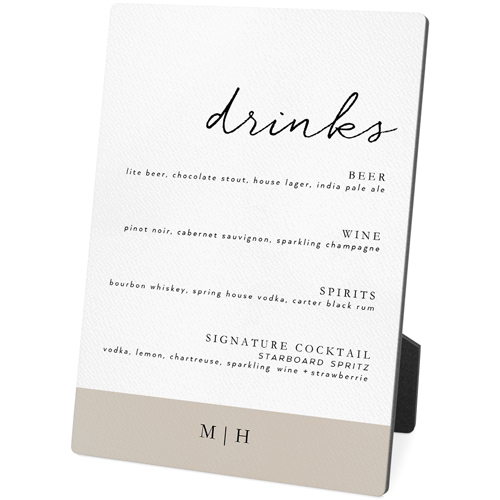
Guests should not have to decide what to order while standing at the front of the line. A bar menu placed where they queue helps keep things moving and avoids slowdowns. This becomes especially important with multiple drink options.
Signature Drinks Sign (Optional)
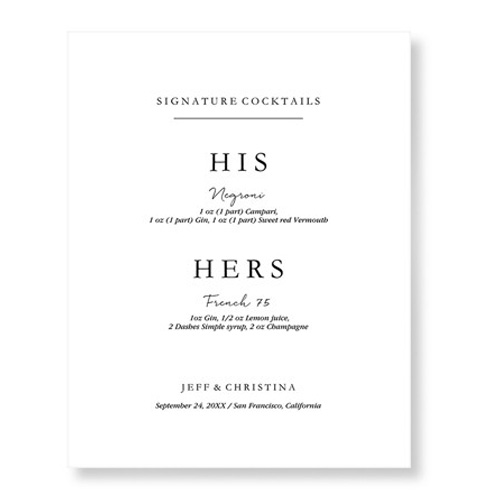
If you’ve created custom cocktails, a signature drinks sign highlights them and adds a personal detail to the bar experience. It can include names, ingredients, or a short description. Keep it simple so guests can read it quickly while ordering.
Directional Signs
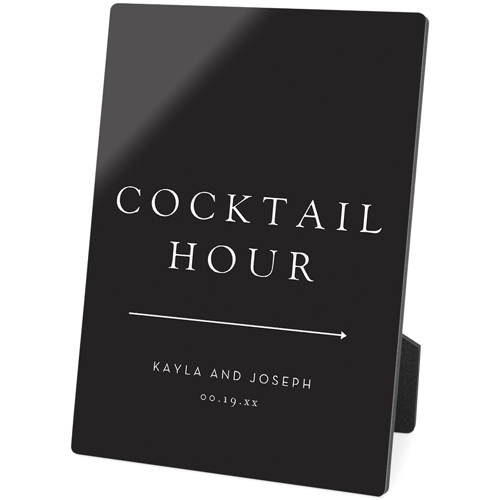
If guests have to stop and ask where to go next, signage is missing. Directional signs guide the flow between ceremony, cocktail hour, and reception spaces. Clear arrows and placement matter more than decorative details.
Reception Wedding Signs
Reception signage is where organization matters most. These are the signs that keep everything running smoothly once guests enter the space.
Seating Chart or Escort Display

A seating chart or escort display helps guests find their assigned table quickly and keeps the reception entrance organized. It should be easy to scan, either alphabetically by name or grouped by table number. Larger formats work best so multiple guests can view it at once without crowding.
Table Numbers or Table Names
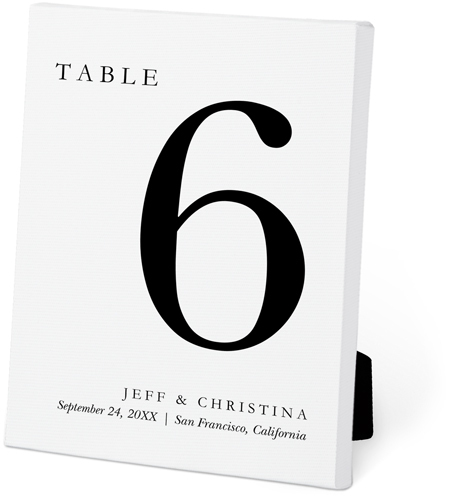
Table numbers or names help guests locate their seats once they enter the reception space. The design should be consistent and easy to read from a distance, especially in low lighting. Creative themes can work well, but clarity should always come first.
Menu Sign (Optional)
When individual menu cards are not provided, guests still want to know what’s being served. A shared display gives them a quick overview without adding extra paper to each place setting. Keep it simple so it’s easy to read in passing.
Food and Drink Labels (Situational)
Buffets and food stations run more smoothly when everything is clearly labeled. Guests can move through the line with confidence, especially when dietary details are included. Small, well-placed signs at each dish work best.
Guest Experience Wedding Signs
These signs add clarity to key areas and make it easy for guests to participate in everything you’ve planned. Smaller formats like tabletop prints or framed cards are perfect for these areas since they sit close to where guests interact.
Guest Book Sign
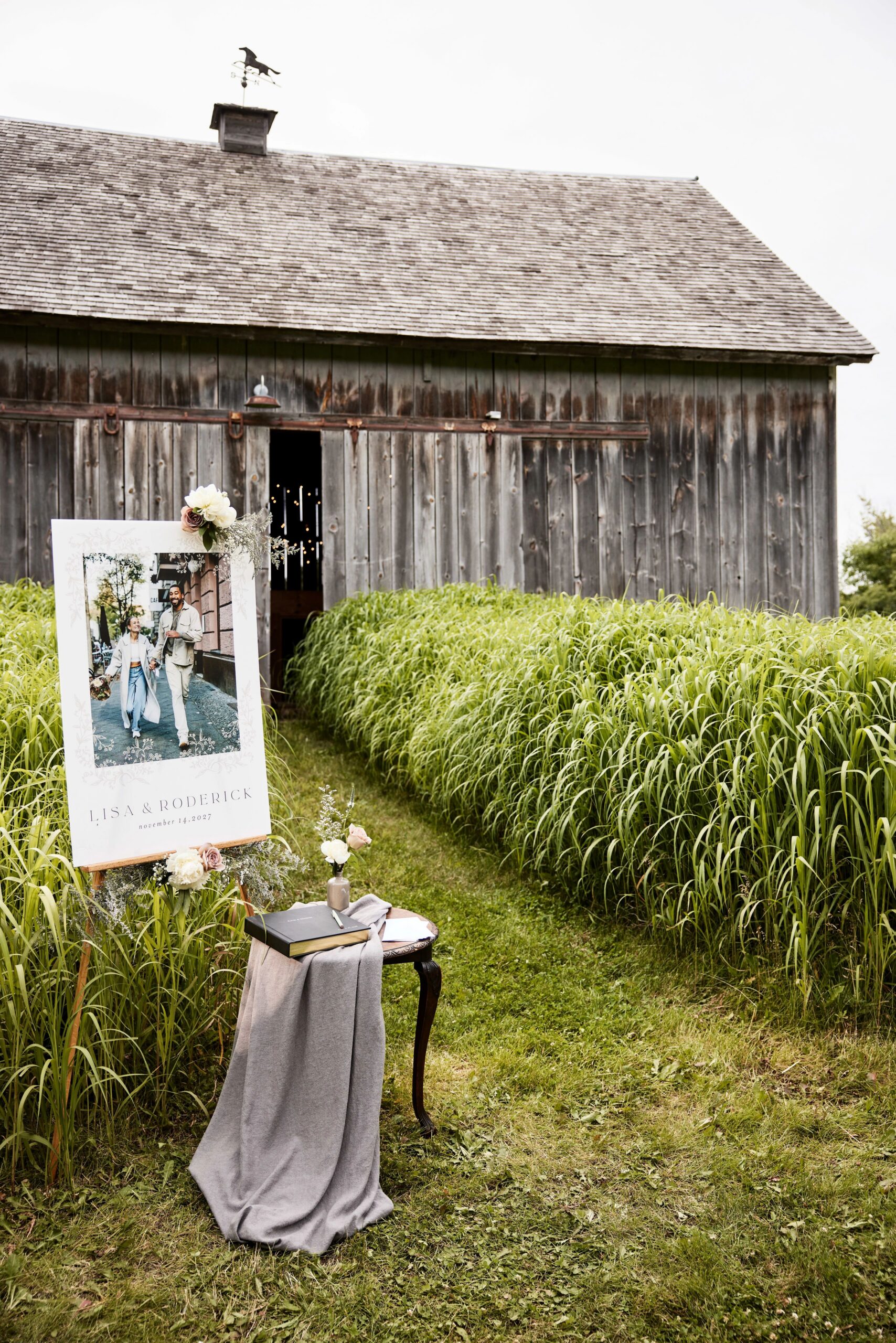
A guest book sign lets guests know where to leave a message and encourages them to participate. Without it, some guests may not realize there’s a designated place to sign. Pair it with a clearly styled table so the area feels intentional and easy to find.
Cards and Gifts Sign
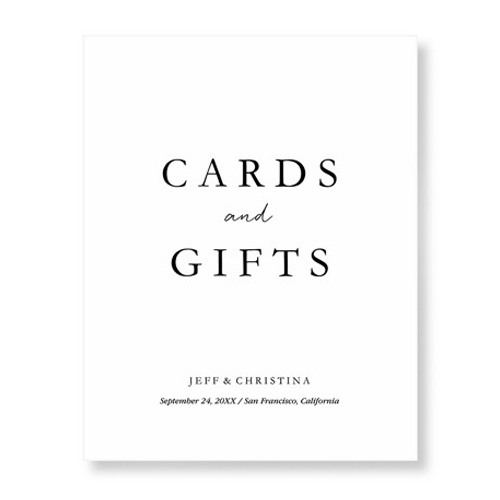
Guests need a clear place to leave envelopes and gifts, especially during a busy reception. Directing them to one spot helps keep everything organized and secure. Place it directly at the table so there is no confusion.
Photo Booth Sign (Optional)
Photo booths can easily go unused if they are not clearly introduced. A simple sign invites guests in and explains how it works at a glance. Visibility is key so people notice it as they move through the space.
Wedding Hashtag Sign (Optional)
If you want guests to share photos, you need to remind them early. Displaying your hashtag near the entrance or bar helps it stick throughout the night. Keep it short and easy to remember.
Directional and Logistics Signs
These are easy to overlook, but they make a big difference, especially at larger or outdoor venues. Clear, legible text is more important than design here. These signs should be easy to read at a distance.
Wayfinding Signs
Large or outdoor venues can be difficult to navigate without guidance. Wayfinding signs point guests to key areas like the ceremony, reception, restrooms, or parking. They should be readable from a distance with clear arrows and minimal text.
Order of Events or Timeline Sign (Optional)

Guests appreciate knowing what’s coming next, especially during longer receptions. A simple timeline keeps everyone informed about major moments like dinner, speeches, and dancing. Keep it concise so it’s easy to scan.
Transportation or Shuttle Sign (Situational)
When transportation is part of the plan, guests need to know exactly where to go and when. Clear signage helps avoid confusion and keeps everything on schedule. This becomes even more important later in the evening.
Optional and Personal Wedding Signs
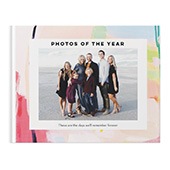
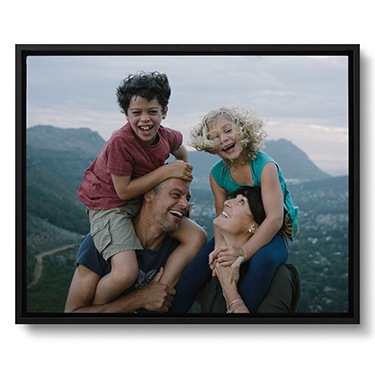
These are not required, but they add personality and make your wedding feel more like you. These larger displays can be created using formats like photo boards or mounted prints, especially when you want to combine signage with visual storytelling.
In Loving Memory Sign
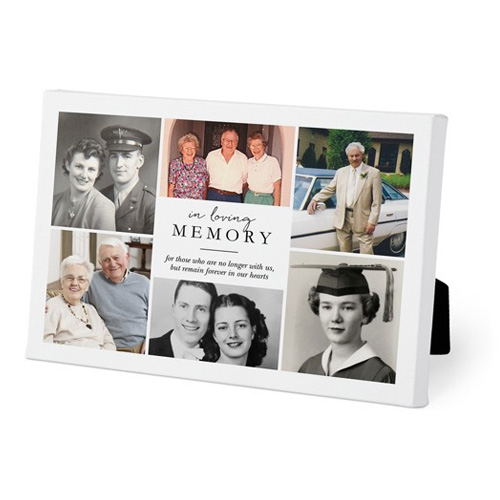
Honoring loved ones who are not present adds a meaningful, personal element to your day. This is often displayed with names, photos, or both in a quiet, thoughtful area. A simple design keeps the focus on the tribute itself.
Favors Sign
Guests will not always know they are meant to take something home. A small sign removes that hesitation and makes the display feel intentional. Place it directly with the favors so it is easy to understand.
Send-Off Sign
End-of-night moments need a bit of coordination to go smoothly. A sign near the exit lets guests know what to expect and when to gather. This helps everyone be in the right place at the right time.
Kids’ Table Sign (If Applicable)
Designated seating for kids works best when it is clearly marked. Parents and children can find it quickly without asking for directions. Keep it simple and easy to spot.
Late-Night Snack Sign (Optional)
Late-night food is often a highlight, but guests will miss it if they do not know it’s coming. A sign near the serving area helps draw attention at the right moment. It adds a fun, unexpected touch to the night.
Photo Displays and Story Boards (Optional)
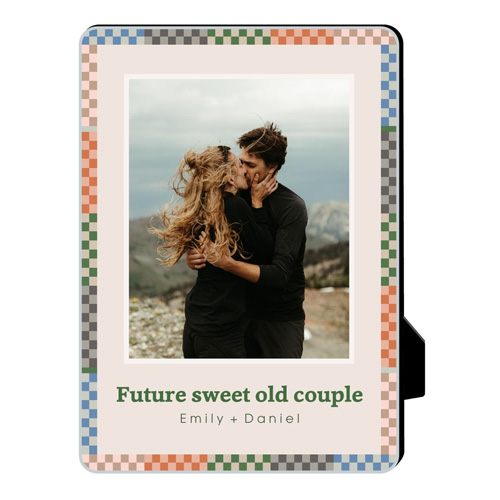
Some displays do more than decorate. They give guests a chance to engage with your story, whether through photos, milestones, or shared memories. You can mix larger focal pieces like photo boards or mounted prints with smaller tabletop signs or framed prints to create a setup that feels layered and easy to explore.
Choosing the Right Wedding Sign Formats
Not every sign needs the same format. The key is matching the size and material to how the sign will be used.
- Larger displays like seating charts, welcome signs, and timelines work best as posters or mounted photo boards so they’re easy to read from a distance
- Tabletop signs like menus, bar cards, and guest book instructions are best as smaller prints or framed cards
- Directional signs should prioritize visibility and durability, especially outdoors
Many couples mix formats throughout their wedding, using a combination of prints, cards, and larger displays to create a cohesive look without overcomplicating the setup.
If you’re designing signage outside of a template, you can also upload your own design and apply it across different formats depending on where each sign will be placed.
Final Thoughts on Wedding Signage
You don’t need every wedding sign on this list. The right selection depends on your venue, guest count, and how formal or relaxed your day will be. Focus on the signs that guide your guests and support the flow of your wedding, then layer in personal touches where they matter most.
When signage is done well, guests never have to ask what’s happening or where to go next. Everything feels easy, intentional, and fully thought through, which is exactly how your wedding day should feel.
